THE ROLE OF THE CHURCH IN FOSTER CARE: RETURNING TO A BIBLICAL CALLING
For many churches, foster care can feel like a specialized ministry — something reserved for social workers, nonprofits, or a small group of families uniquely called to open their homes.
But throughout Scripture, caring for vulnerable children was never presented as the assignment of a few individuals. It was woven into the identity of God’s people.
This is not simply a conversation about foster care systems or nonprofit programs. It is a conversation about what it means to reflect the heart of God in practical ways within our communities.
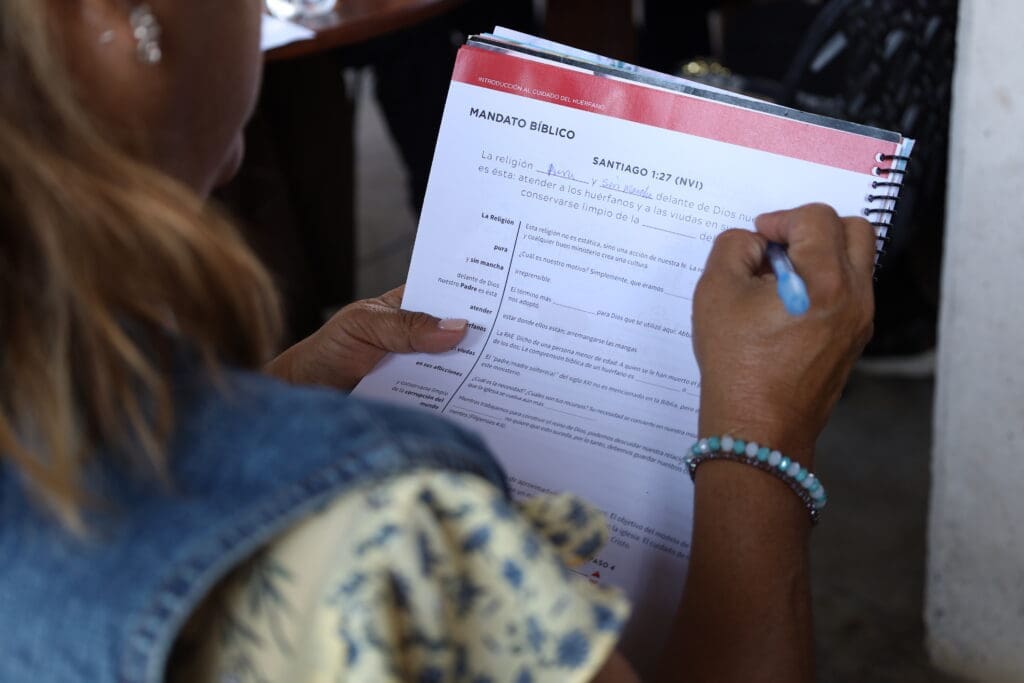
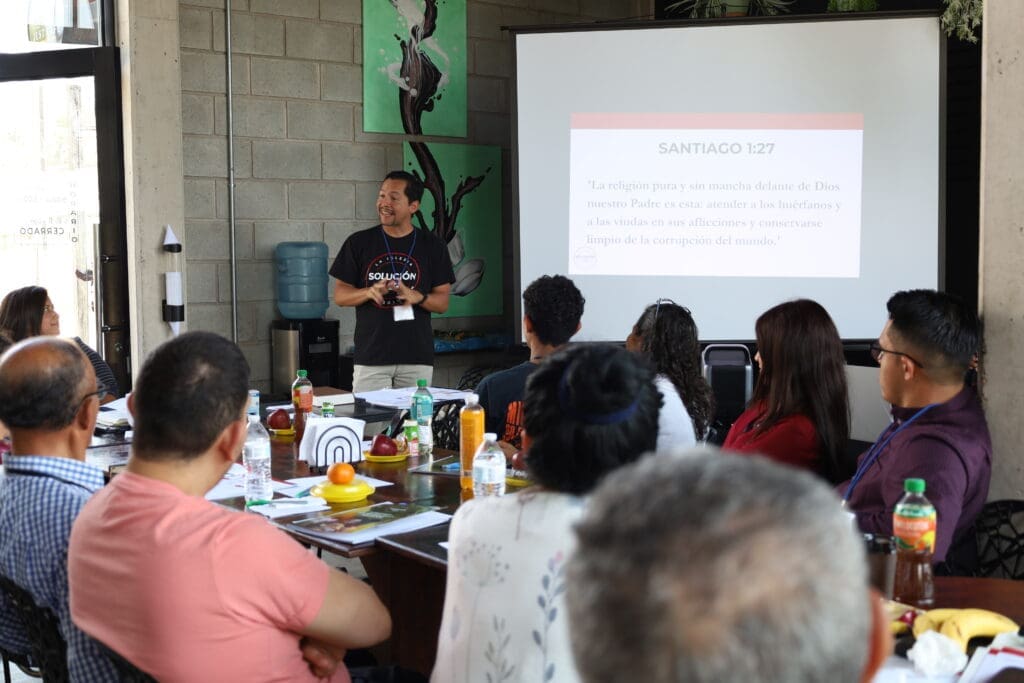
James 1:27 says:
“Religion that God our Father accepts as pure and faultless is this: to look after orphans and widows in their distress…”
For many years, the global Church has quoted this verse as a command. But perhaps we have missed something deeper.
As Pastor Peter shared during one of our church trainings:
“Pure Religion is not just a command. It is what we look like — a description of the Christian.”
That changes the conversation entirely.
Caring for vulnerable children is not meant to be a side ministry of the Church. It is part of the visible expression of who the Church is.

Why Foster Care Often Feels Distant to the Church
One of the challenges in mobilizing churches around foster care is that many believers do not immediately feel personally connected to the issue.
Pastor Peter explained it this way:
“Normally, people who have struggled with alcoholism care deeply for those walking through the same battle. We often don’t feel we relate to orphans because we don’t realize we ourselves were once orphaned. Adoption is not the identity we hold — it is the process through which we became sons and daughters.”
This theological reality is powerful.
Scripture repeatedly reminds believers that we were spiritually separated from God and then brought into His family through adoption. Adoption is not simply a metaphor in Christianity — it is central to the Gospel story itself.
When Christians begin to understand spiritual adoption more deeply, foster care and family preservation stop feeling like distant social issues. They become reflections of the very mercy we ourselves have received.
The Church cares for vulnerable children not because it is trendy, emotional, or charitable. The Church cares because we understand what it means to be welcomed into a family we did not earn.
Foster Care Was Never Meant to Be Carried Alone
One of the biggest misconceptions surrounding foster care is the idea that only foster families are involved.
In reality, healthy foster care requires community.
At its best, the Church becomes the support system surrounding vulnerable children and the families caring for them.
Organizations like CAFO (Christian Alliance for Orphans) have consistently highlighted that churches do not need every family to foster in order for the Church to play a major role. Instead, churches function best when different people use different gifts to support children and caregivers together.
Some families may foster.
Others may:
- provide meals
- tutor children
- offer transportation
- babysit
- mentor teenagers
- help with school supplies
- support overwhelmed parents
- pray consistently
- provide counseling
- financially support families in crisis
- create welcoming spaces for children navigating trauma
This reflects the New Testament model of the Church itself: many parts working together as one body.
When the Church is functioning well, foster care no longer becomes the isolated burden of one family. It becomes a community response rooted in compassion, consistency, and relationship.
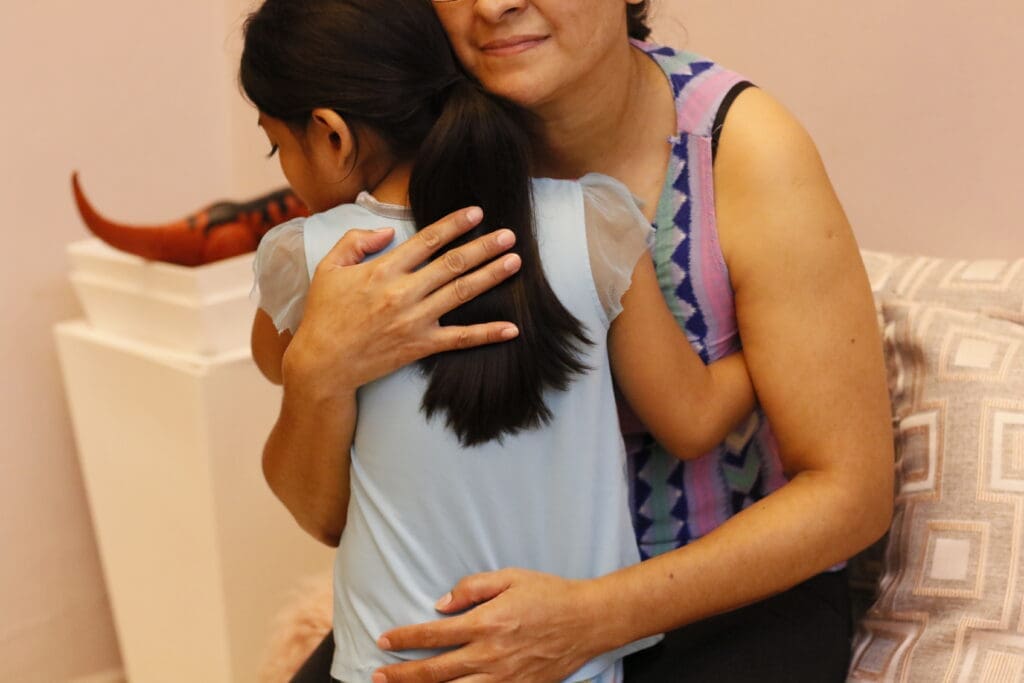
Family Preservation: Caring Before Separation Happens
Often when people hear “orphan care,” they immediately think about children already separated from their families.
But many children enter institutional care because families lacked support long before the crisis occurred.
Poverty, instability, lack of childcare, unemployment, isolation, domestic violence, addiction, and limited access to resources can all place enormous pressure on families.
This is why family preservation matters so deeply.
At Identity Mission, we believe one of the most powerful ways the Church can care for vulnerable children is by helping strengthen families before separation happens.
Sometimes this looks like:
- school support
- counseling
- parenting guidance
- emergency food assistance
- mentorship
- emotional support
- discipleship
- practical care
- community connection
Family preservation is not about “fixing” families from the outside. It is about walking alongside parents with dignity, consistency, and hope while helping create safer environments for children to remain within their families whenever possible.
And this is where local churches are uniquely positioned to respond.
Churches already exist inside communities.
They already hold relationships.
They already know neighborhoods, families, and struggles.
They already carry spiritual and relational influence.
The Church is often closer to vulnerable families than any institution ever could be.
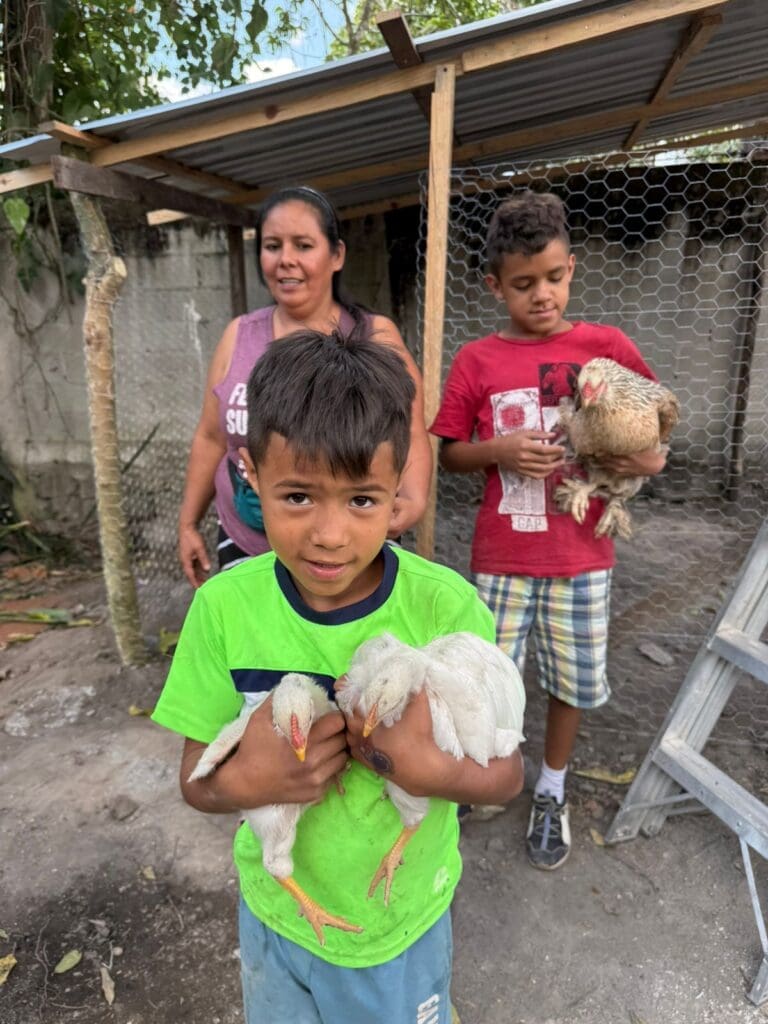
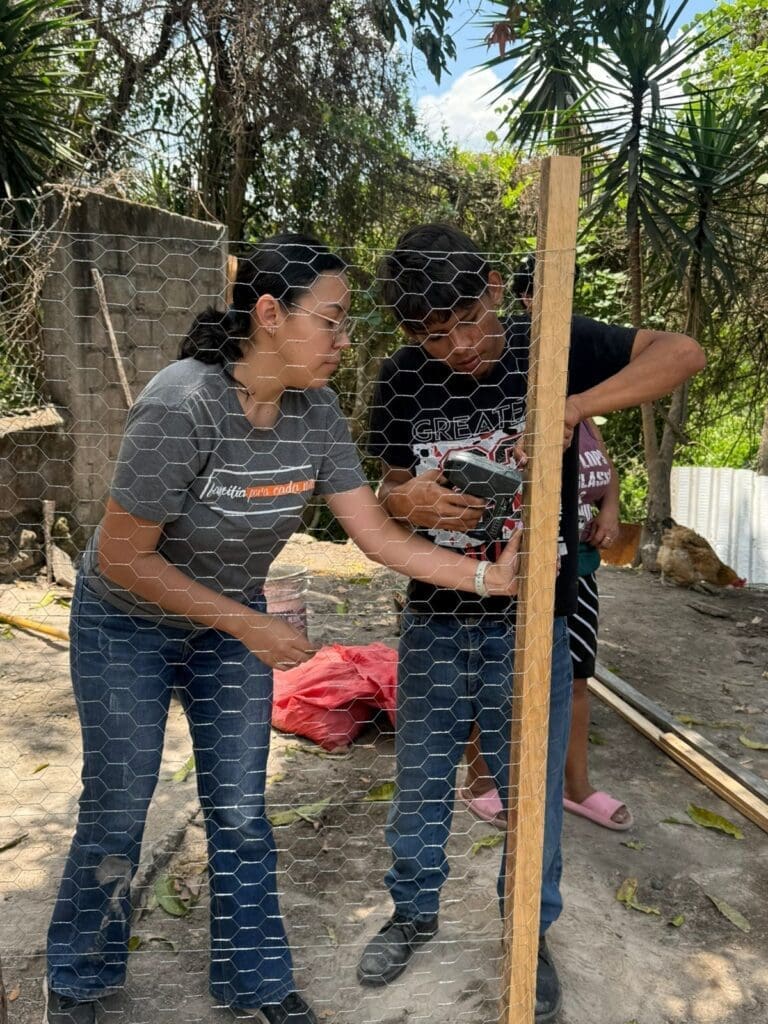
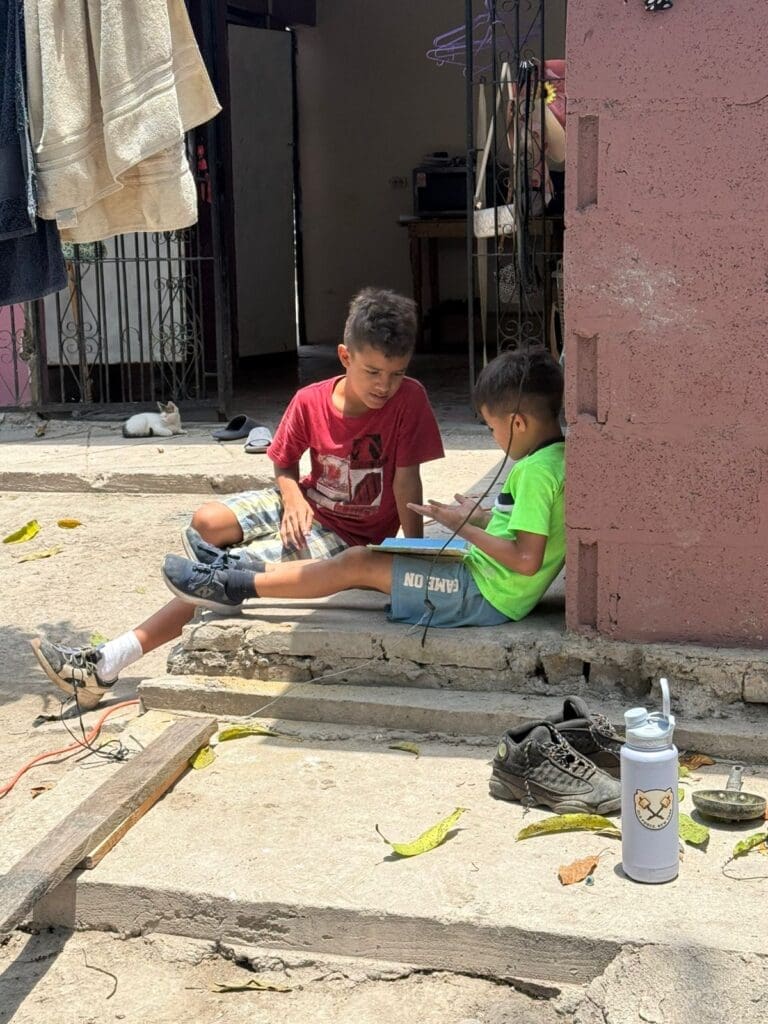
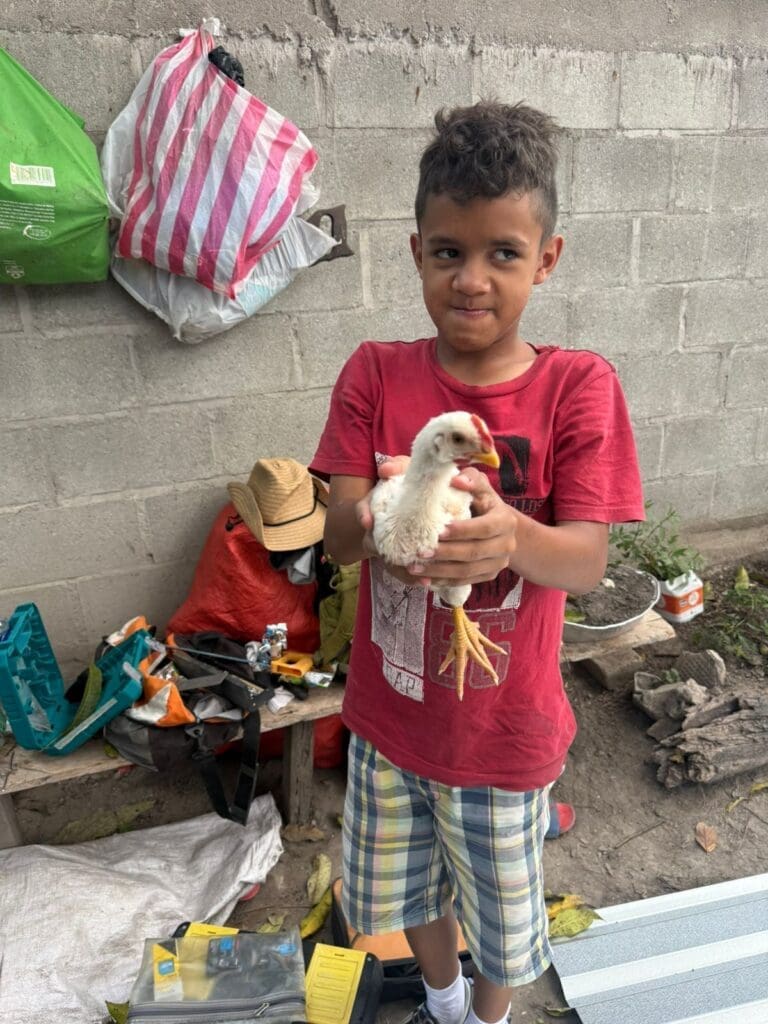
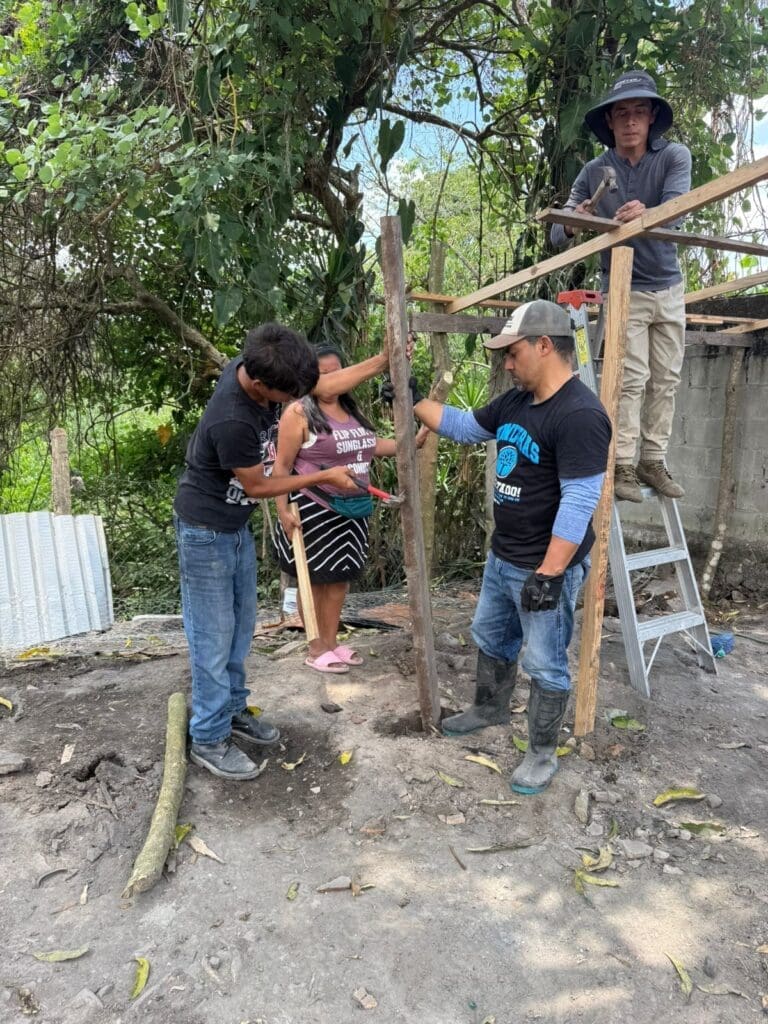
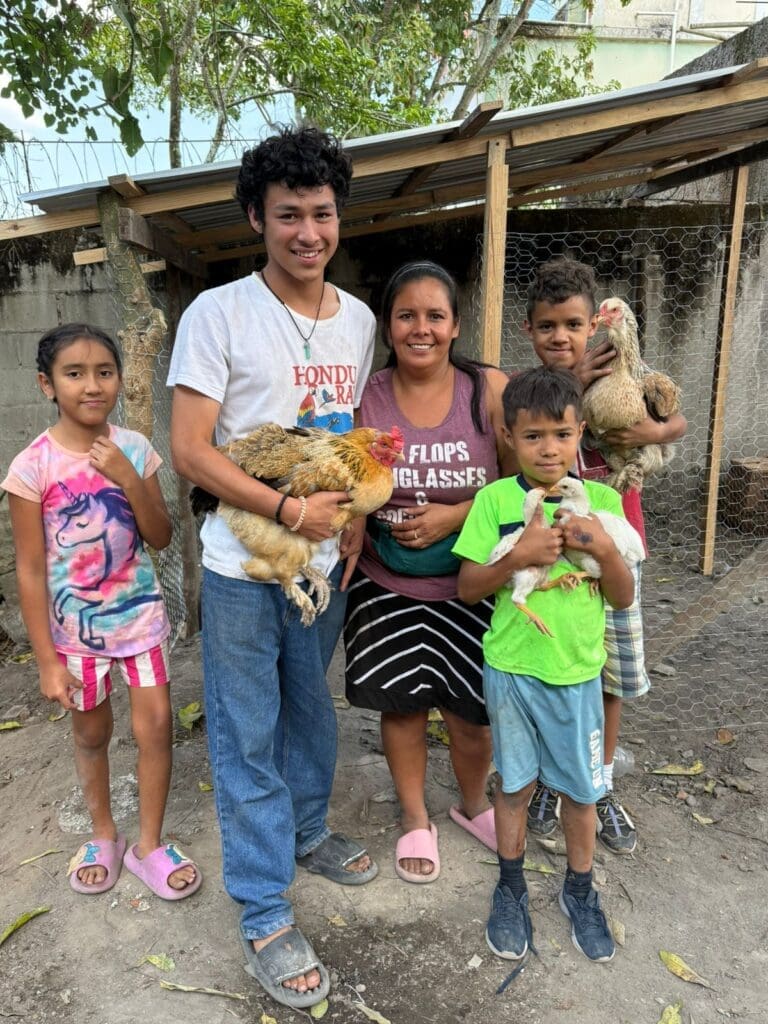
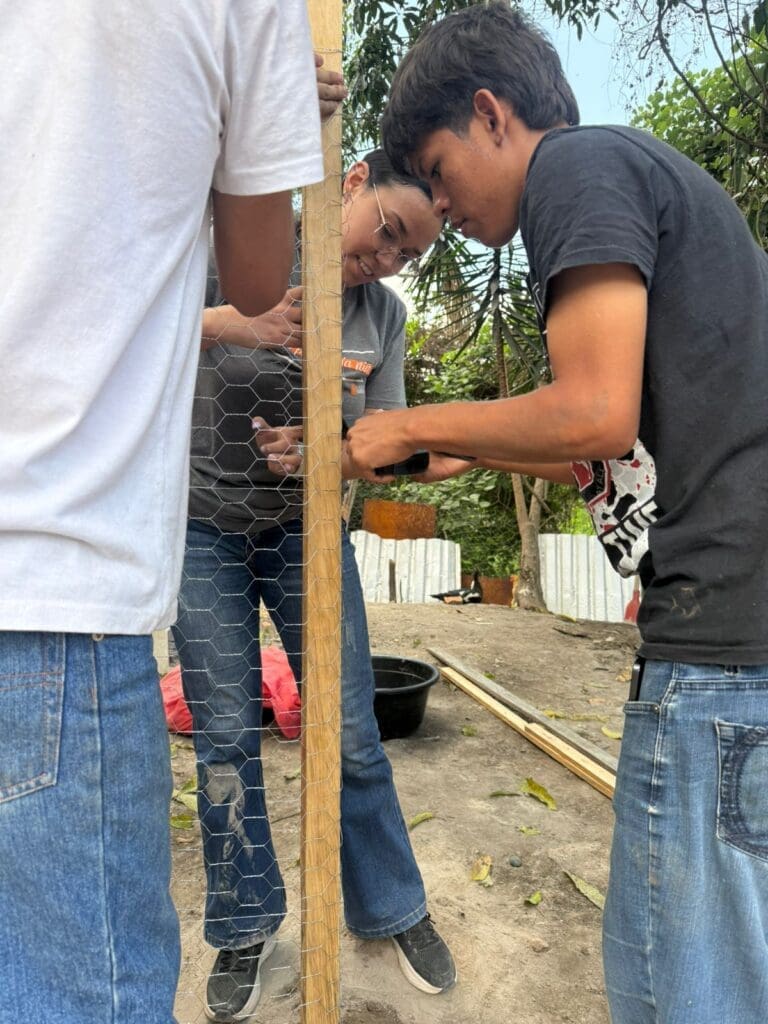
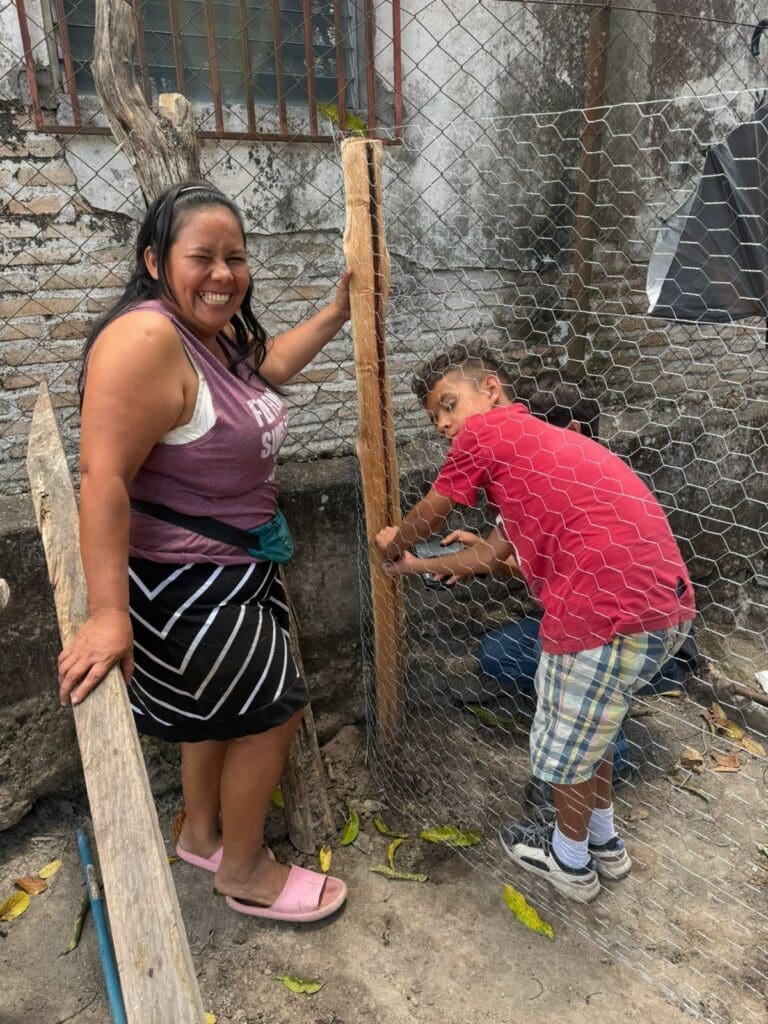
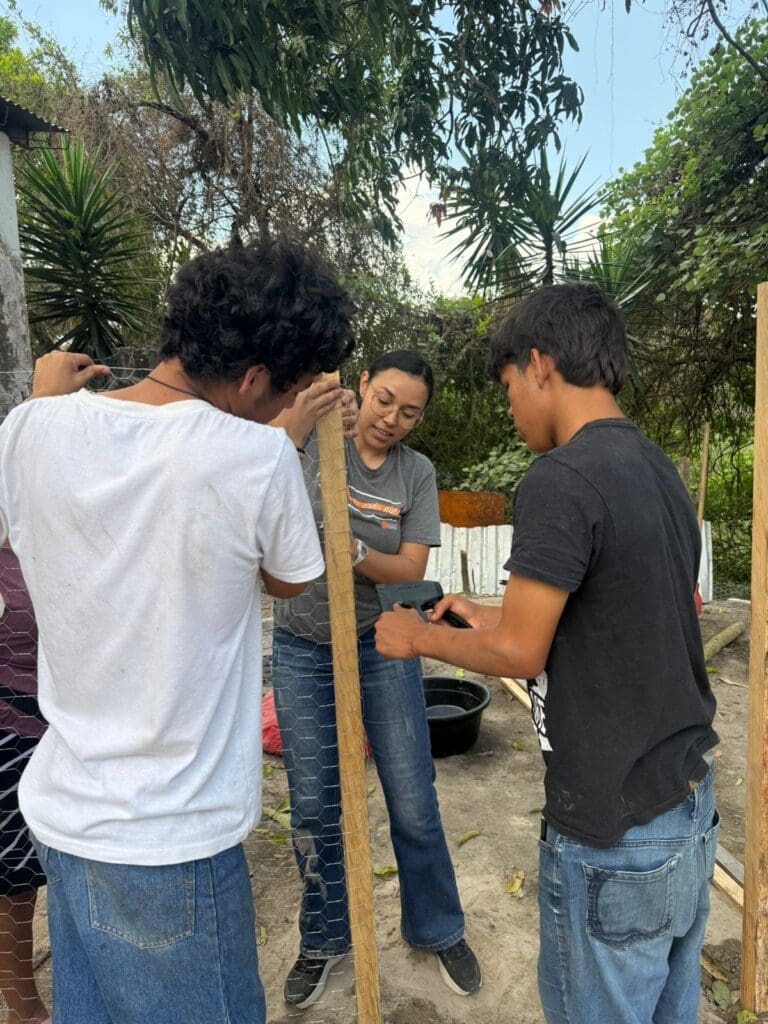
Sometimes, support looks very practical.
This month, through our Family Preservation Program, another family received a chicken coop as part of their long-term sustainability plan.
For this family, raising chickens is more than a small project — it creates access to food, provides opportunities for additional income, and helps strengthen daily stability within the home.
Moments like these remind us that family preservation often happens through simple, community-centered solutions that help families build resilience over time.
Supporting families well does not always mean large interventions. Sometimes it means investing in practical tools, walking alongside parents consistently, and helping create conditions where children can safely remain connected to their families and communities.
Calling the Church Back Into Its Role
At Identity Mission, one of our deepest convictions is that orphan care should not belong primarily to organizations — it should belong to the Church.
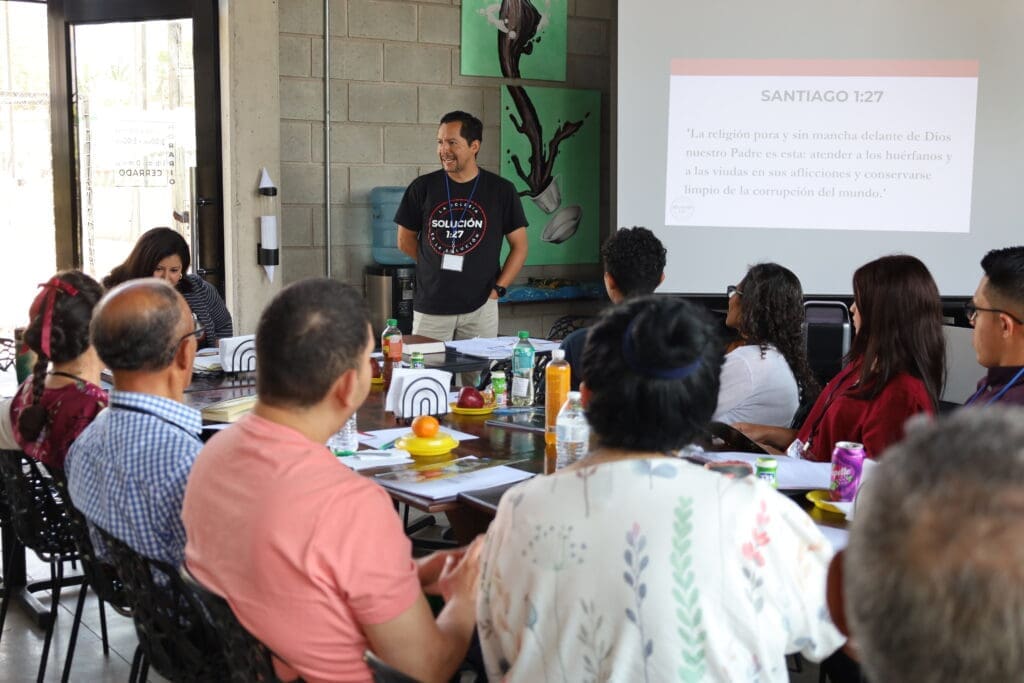
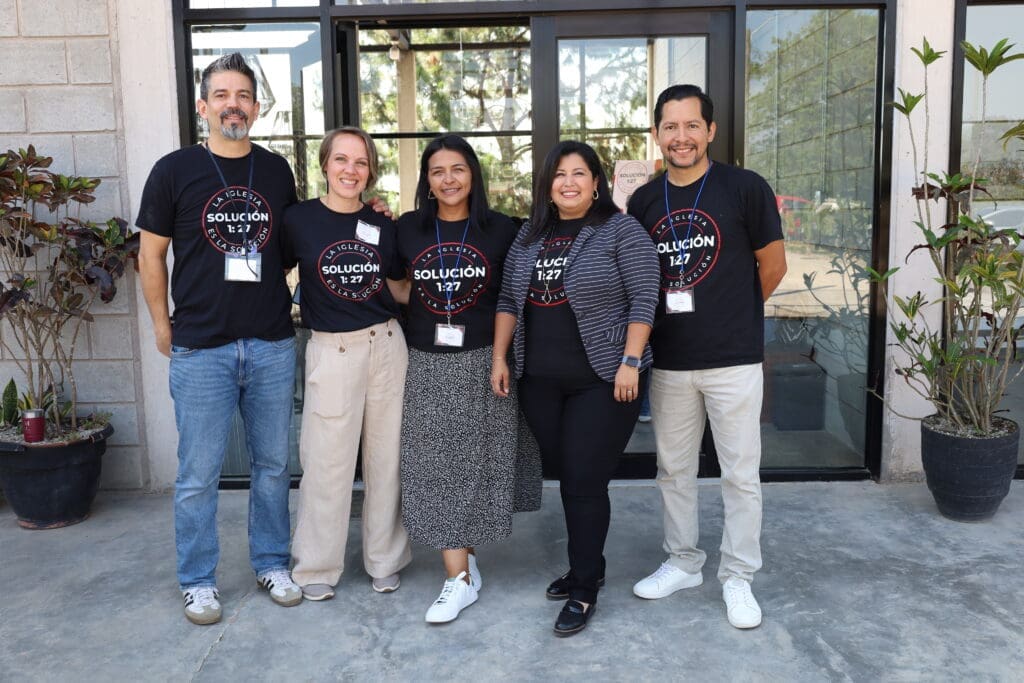
This is the heart behind Solution 1:27, our church development and training initiative designed to help pastors and congregations better understand foster care, family preservation, trauma-informed care, and practical community response.
Rather than creating dependency on outside systems, the goal is to equip local churches to recognize their own role in caring for vulnerable children and families within their communities.
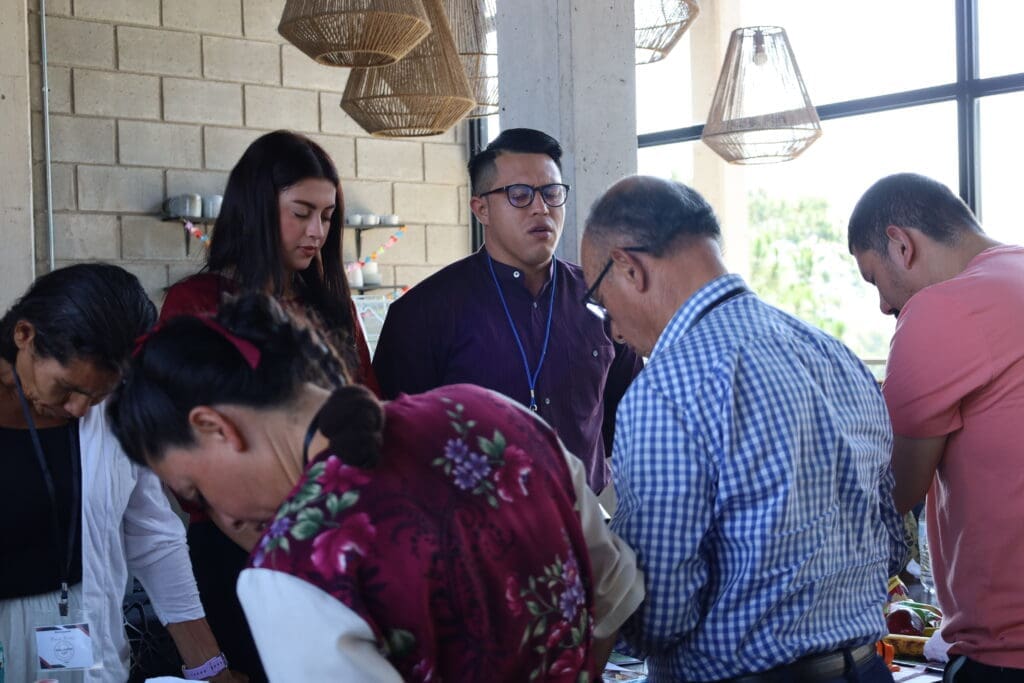
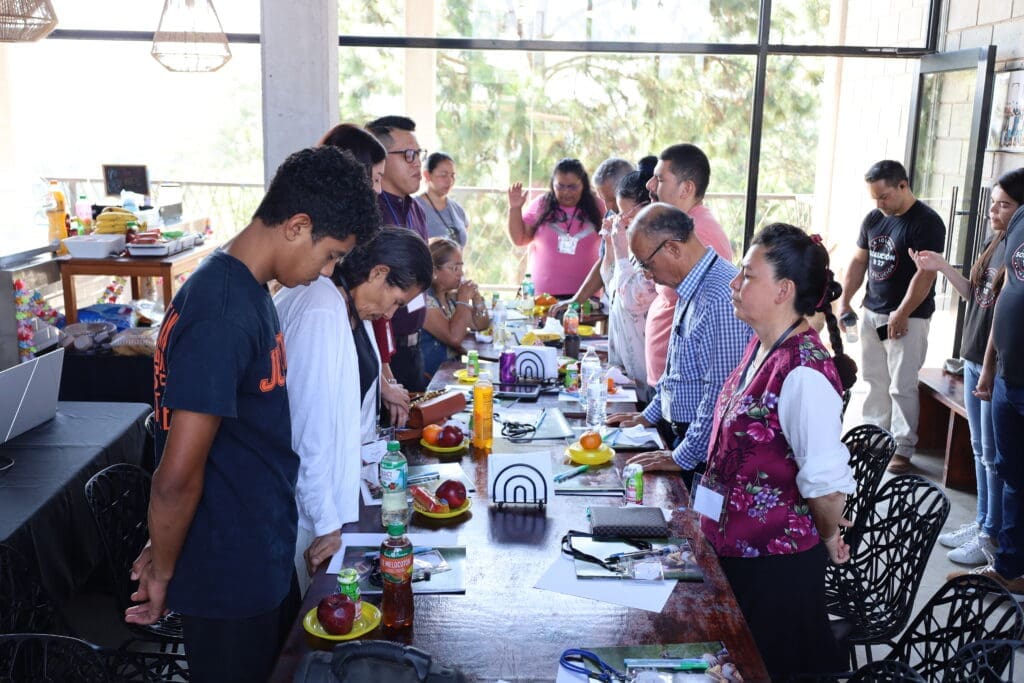
Recently, we witnessed this beautifully through training gatherings connected to Socorro Church.
Church leaders and community members came together not simply to discuss orphan care theoretically, but to explore what it could look like for churches to actively respond together.The conversations were deeply practical:
How can churches support struggling families before crisis happens?
How can communities create safer environments for children?
How can believers move beyond awareness into action?