By Jorge García, National Director, Identity Mission Honduras
There are moments in ministry that completely reshape the way we see our calling.
One of those moments began with what seemed like a simple act of service.
A local pastor called and asked if I could help drive a mother and her son to what he believed was a technical boarding school. Like many people, he genuinely thought it would provide a better future for a child whose family had limited financial resources.
I agreed without hesitation.
What neither of us expected was that the trip would become one of the clearest reminders of why Identity Mission exists.
When Good Intentions Aren’t Enough
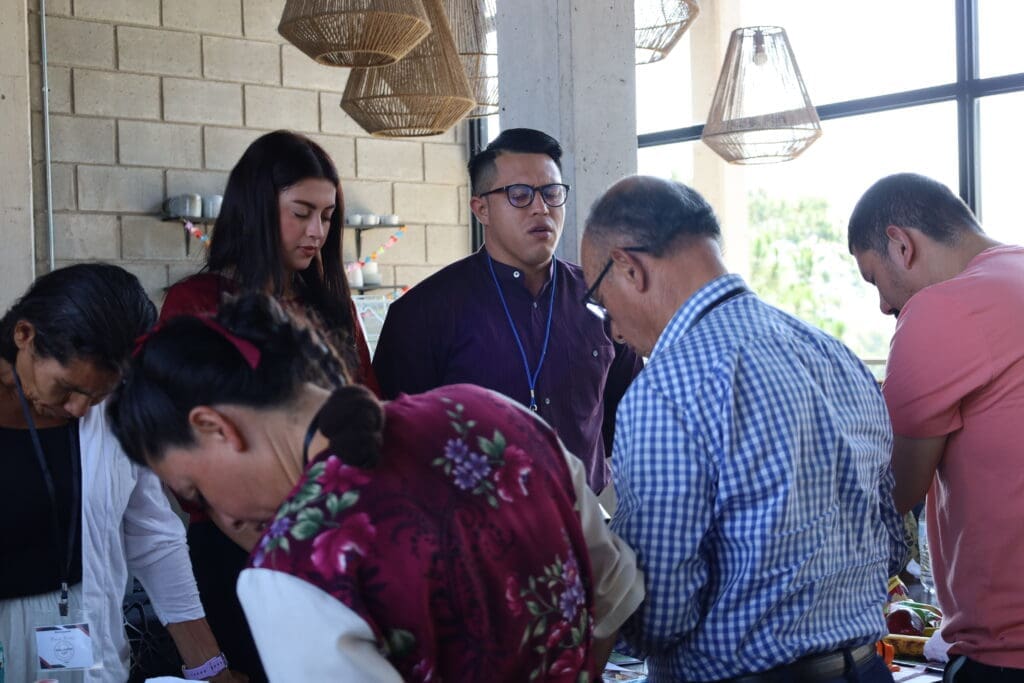
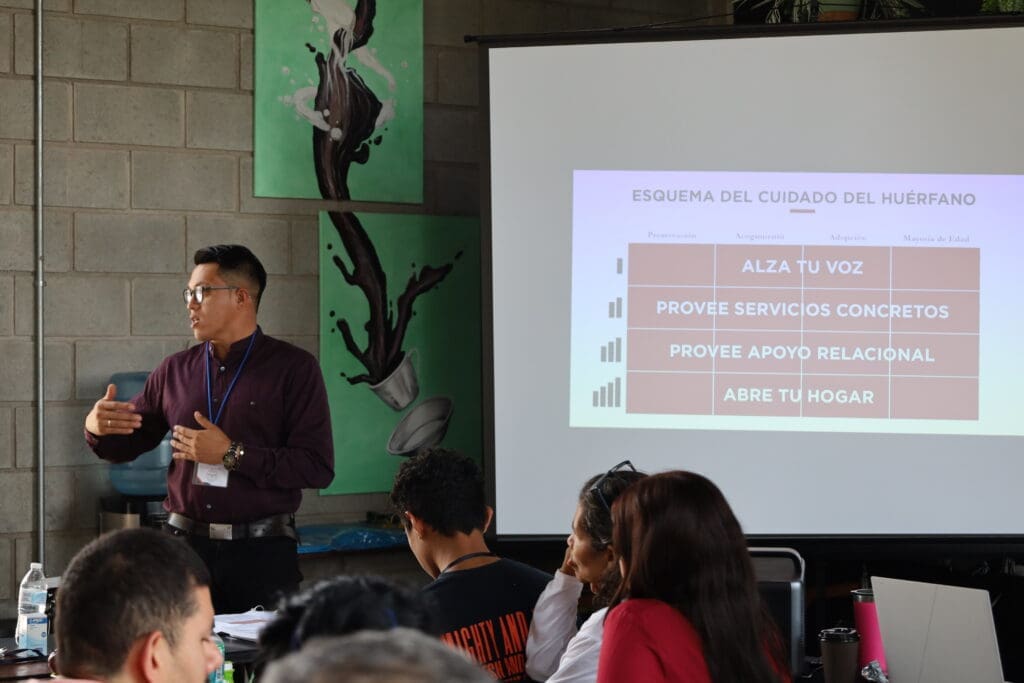
A few weeks earlier, I had met Pastor Fernando Alvarado during a gathering of churches in the community of El Socorro, Siguatepeque. There, I shared about Solution 1:27, Identity Mission’s initiative that equips local churches to care for vulnerable children by strengthening families instead of separating them.
The message resonated deeply with him.
He wanted to respond to the needs around him. He wanted to help.
So when he met Mariela—a mother trying to provide opportunities for her children—he believed helping her enroll one of them in a boarding program was the right thing to do.
Many of us would have made the same decision.
Because when resources are scarce, it’s easy to believe that separation may offer children a better future.
The Moment Everything Changed
When we arrived, something immediately felt different.
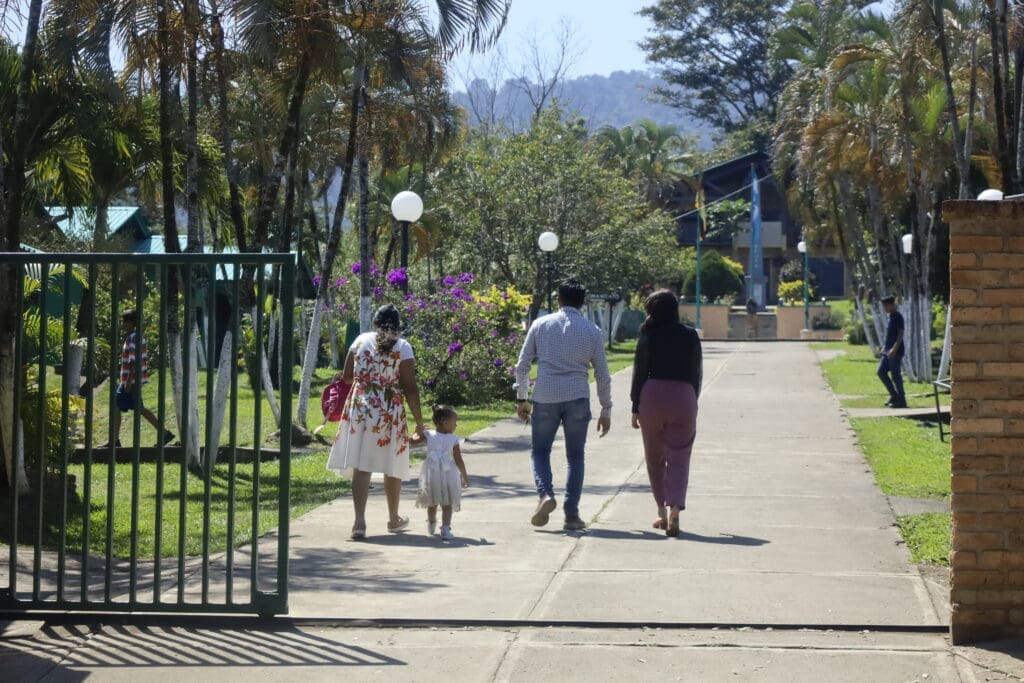
Mariela stepped out of the vehicle with two young children, much younger than I had expected.
As we toured the facility, my concern continued to grow.
The dormitories.
The rows of bunk beds.
The atmosphere.
After years of visiting residential care facilities throughout Honduras, I recognized it immediately.
This wasn’t simply a boarding school.
It was an orphanage.
During our conversations with the staff, it became clear that many of the children living there had not been separated from their families because of abuse or abandonment.
Many had been placed there voluntarily.
Parents had been told their children would receive a better education, more opportunities, or a brighter future if they lived away from home.
It was another painful reminder that poverty is often mistaken for orphanhood.
A Difficult Conversation
On our way home, Pastor Fernando broke the silence.
“Something doesn’t feel right,” he said.
I answered as honestly as I could.
“Today we participated in something we were actually called to prevent. We helped separate a family instead of helping them stay together.”
Neither of us could stop thinking about that conversation.
Choosing Restoration
Three weeks later, we returned.
This time, everything was different.
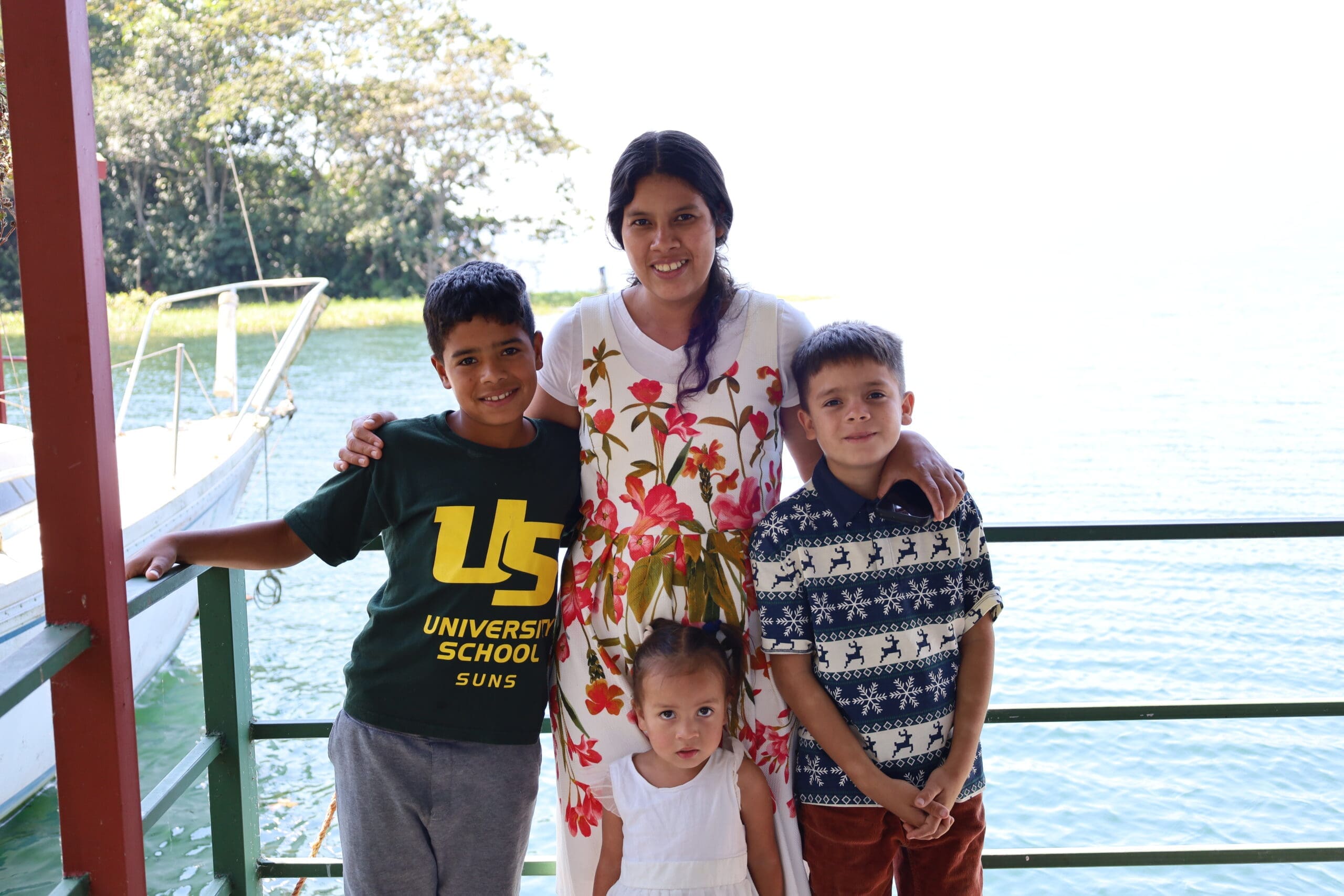
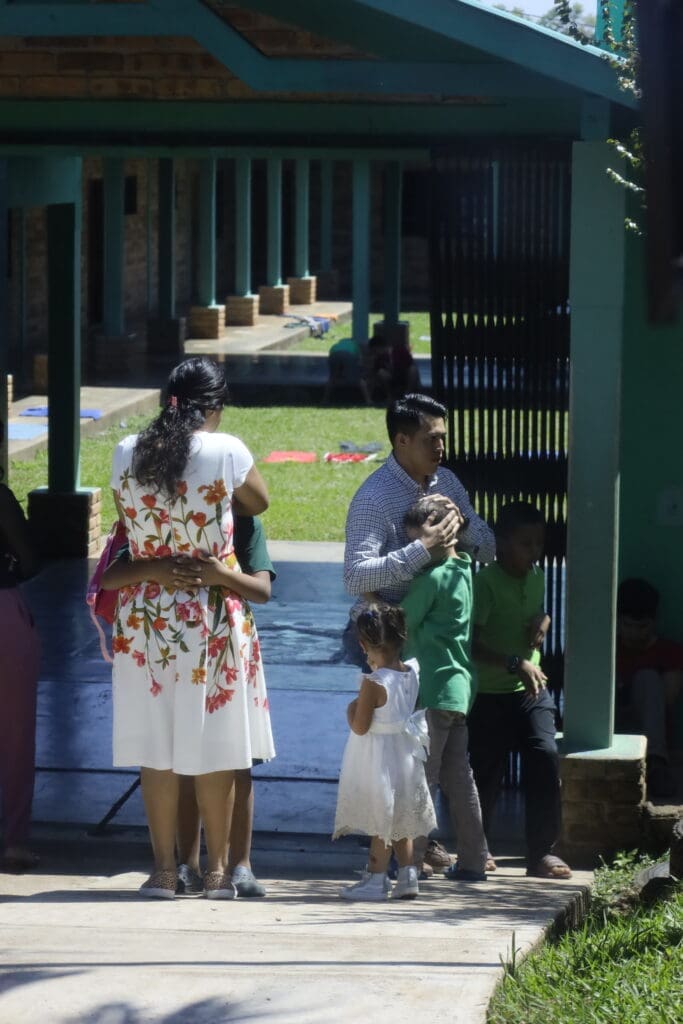
Mariela arrived with confidence and determination.
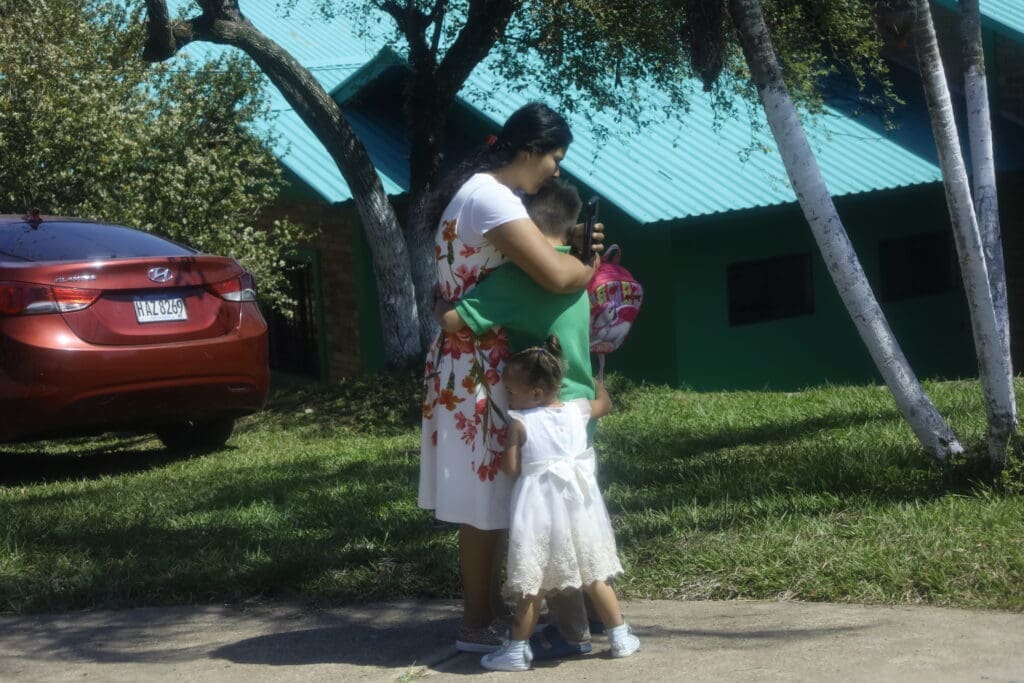
“They’re my children,” she said. “I’m taking them home.”
Although there were attempts to convince her to leave them, she stood firm.
She chose her family.
And we chose to walk beside her.
Instead of simply celebrating that decision and moving on, our Family Preservation team began working alongside Mariela to address the challenges that had led her to believe separation was her only option.
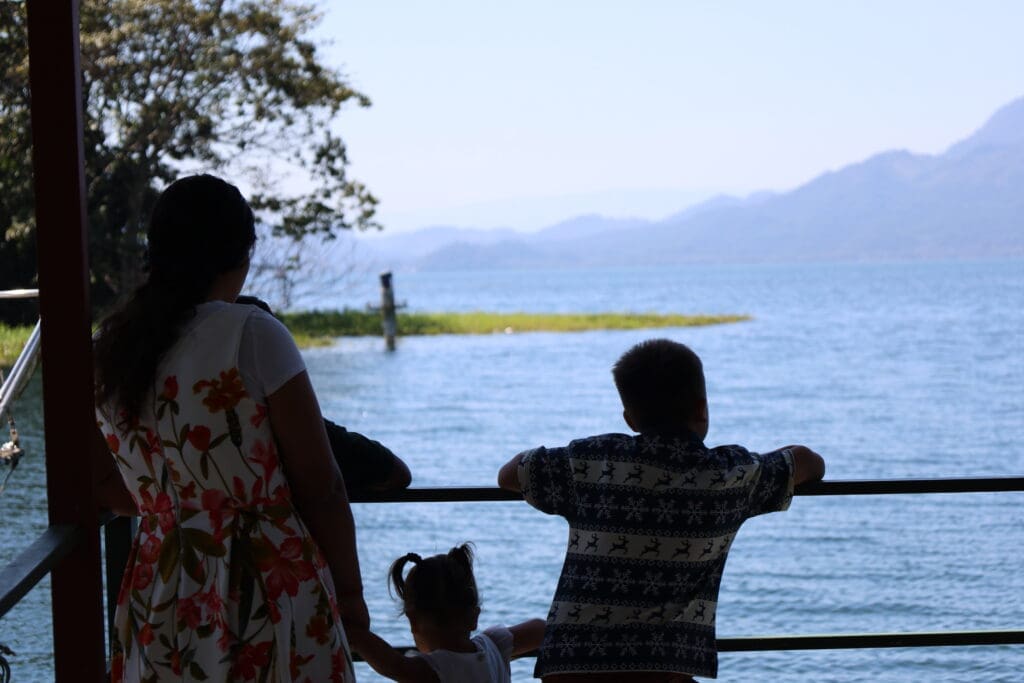
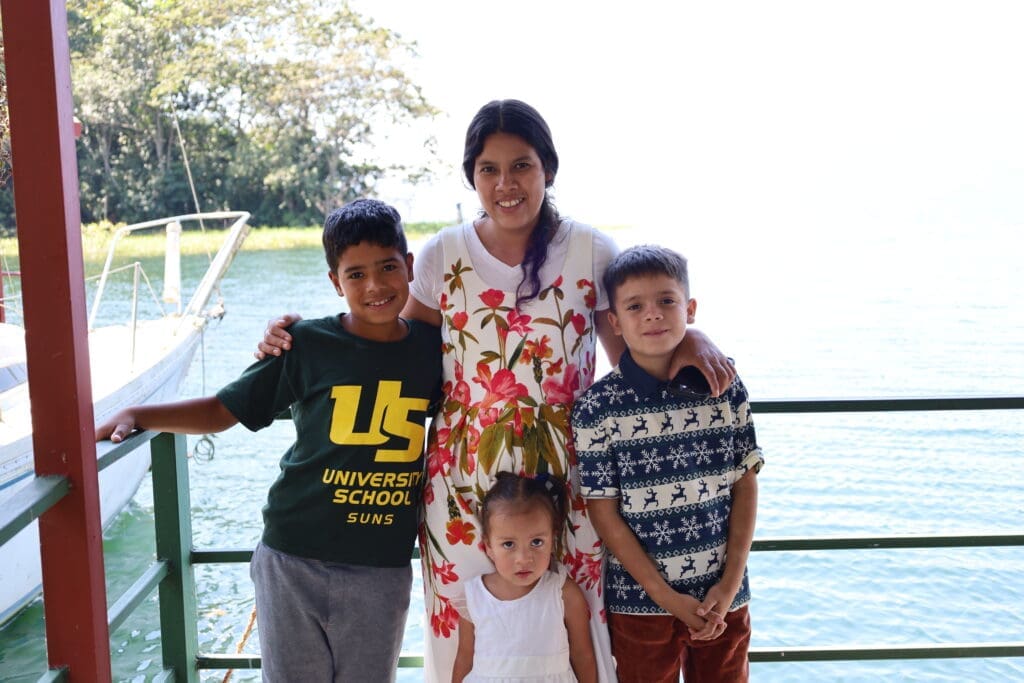
Today, Mariela is enrolled in Identity Mission’s Family Preservation Program, where she receives ongoing support from our social worker and psychotherapist. Her children are also receiving emotional and social support while continuing to grow together as a family.
With encouragement, practical guidance, and community support, Mariela has started her own small food business and is building greater stability for her household.
Her story is no longer defined by separation.
It is becoming a story of restoration.
The Church Can Be Part of the Solution
Pastor Fernando and his wife also became active participants in this journey.
What began as a misunderstanding became a powerful lesson.
Today, they understand that caring for vulnerable children is not only about responding after families have been separated.
It is also about helping families stay together whenever it is safe and possible.
That is the vision behind Solution 1:27.
When churches, communities, and organizations work together, they can provide encouragement, practical support, counseling, and hope before crisis leads to separation.
Why Family Preservation Matters
Every family’s circumstances are different.
Not every child can safely remain at home, and there are situations where alternative care is necessary.
But many families facing poverty, unemployment, or temporary crisis don’t need to lose their children.
They need support.
At Identity Mission, we believe children thrive best in safe, loving families whenever possible.
Family Preservation exists to strengthen parents, equip caregivers, and surround families with the resources they need so children can grow up where they belong—with the people who know them, love them, and are committed to their future.
Mariela’s story reminds us that sometimes the most life-changing intervention isn’t finding a new family for a child.
It’s helping the family they already have become strong enough to stay together.
About Identity Mission’s Family Preservation Program
Identity Mission’s Family Preservation Program partners with vulnerable families across Honduras by providing social work, counseling, parenting support, church involvement, and practical resources that strengthen families before separation occurs.
Because every child deserves the opportunity to grow up in a safe, loving, and supported family.
Help Preserve More Families
Mariela’s story is one example of what becomes possible when families receive the support they need before crisis leads to separation. Through Identity Mission’s Family Preservation Program, parents receive social work, counseling, practical guidance, and encouragement so children can grow up in the loving care of their own families whenever it is safe to do so.
Together, we can help more families write stories of restoration instead of separation.